How Women’s Hormones Work: A Simple Guide to Understanding Your Cycle and Health
December 19, 2025
Women’s hormones play a vital role in controlling the menstrual cycle, fertility, mood, sleep, and overall health. Understanding how these hormones work helps women better understand their bodies and make informed decisions about their well-being.
1. Key Hormones in Women’s Health
Estrogen
Estrogen is one of the most important hormones in women’s health. It helps:
• Build and maintain the uterine lining
• Support bone strength
• Promote healthy skin
• Influence mood and emotional balance
Progesterone
Progesterone plays a major role after ovulation. It helps:
• Prepare the uterus for a possible pregnancy
• Support early pregnancy
• Trigger menstruation when levels drop
FSH & LH (Follicle-Stimulating Hormone & Luteinizing Hormone)
These hormones guide the monthly cycle:
• FSH helps eggs grow and develop
• LH triggers ovulation— the release of the egg
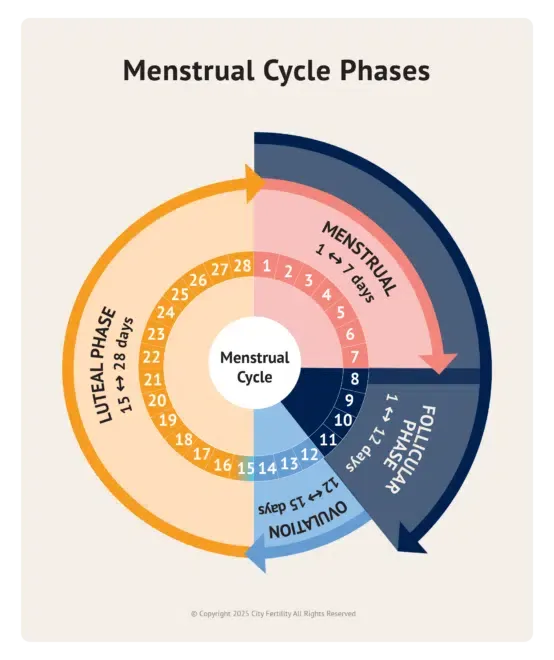
2. The Menstrual Cycle Explained
A typical menstrual cycle lasts 24–38 days, and it includes four main phases:
1. Menstruation
Hormone levels are low, causing the uterine lining to shed. This is when bleeding begins.
2. Follicular Phase
Estrogen rises as the body prepares an egg for ovulation.
3. Ovulation
A strong surge of LH releases the egg from the ovary.
4. Luteal Phase
Progesterone increases to prepare the uterus for pregnancy.
If no pregnancy occurs, both estrogen and progesterone levels drop, leading to the next period.
3. How Hormones Affect Daily Life
Hormones influence many day-to-day functions, including:
• Mood: Hormonal changes affect serotonin and emotional balance
• Skin: Estrogen supports smooth, hydrated, and healthy-looking skin
• Energy & Sleep: Shifts in hormones can impact sleep quality and energy levels throughout the month
4. Signs of Hormonal Imbalance
You may want to consult a healthcare provider if you notice:
• Irregular or very heavy periods
• Missed periods
• Severe cramps or unusual pain
• Sudden changes in skin, mood, or weight
These may indicate a hormonal imbalance that requires medical evaluation.
Women’s hormones follow a natural monthly rhythm that influences the body in many ways—from mood and energy to fertility and skin health. By understanding these hormonal changes, women can stay informed, support their overall well-being, and know when to seek medical care.
Disclaimer: This article is for educational and informational purposes only and should not be considered medical advice. Hormonal symptoms and menstrual patterns vary from person to person, and only a licensed healthcare provider can diagnose or treat hormonal imbalances or reproductive health concerns. If you experience irregular periods, severe pain, mood changes, or symptoms that affect your daily life, consult a qualified medical professional for proper evaluation and guidance.
Innovating Healthcare, Transforming Futures:
Nepal Remedies, Your Partner in Hormonal and Steroids Excellence.