Reproductive Health Disorders Women Should Be Aware Of
January 18, 2026
Women experience a wide range of reproductive health conditions that can affect their hormones, fertility, menstrual cycles, and overall wellbeing. Understanding these disorders helps with early detection and better health outcomes. Here’s a clear and simple guide to the most important reproductive health conditions every woman should know about.
1. PCOS (Polycystic Ovary Syndrome)
A hormonal disorder where the ovaries produce excess male hormones.
Common signs: irregular periods, acne, weight gain, excess hair growth, fertility issues.
2. Endometriosis
A condition where tissue similar to the uterine lining grows outside the uterus. Symptoms: severe period pain, pelvic pain, heavy bleeding, and difficulty getting pregnant.
3. Uterine Fibroids
Noncancerous growths in the uterus.
Effects: heavy menstrual bleeding, pelvic pressure, frequent urination, and pregnancy
complications.
4. Adenomyosis
Uterine lining tissue grows into the uterine muscle.
Symptoms: intense cramping, heavy bleeding, enlarged and tender uterus.
5. Ovarian Cysts
Fluid-filled sacs on the ovaries.
Most are harmless, but some cause pain, bloating, or irregular cycles when large or persistent.
6. Pelvic Inflammatory Disease (PID)
A reproductive tract infection, often caused by untreated STIs.
Symptoms: pelvic pain, fever, unusual discharge; can lead to infertility if untreated.
7. Cervical Disorders (Including HPV-Related Changes)
Human Papillomavirus (HPV) infections can cause abnormal cervical cell changes.
Prevention: Pap smears, HPV tests, HPV vaccination.
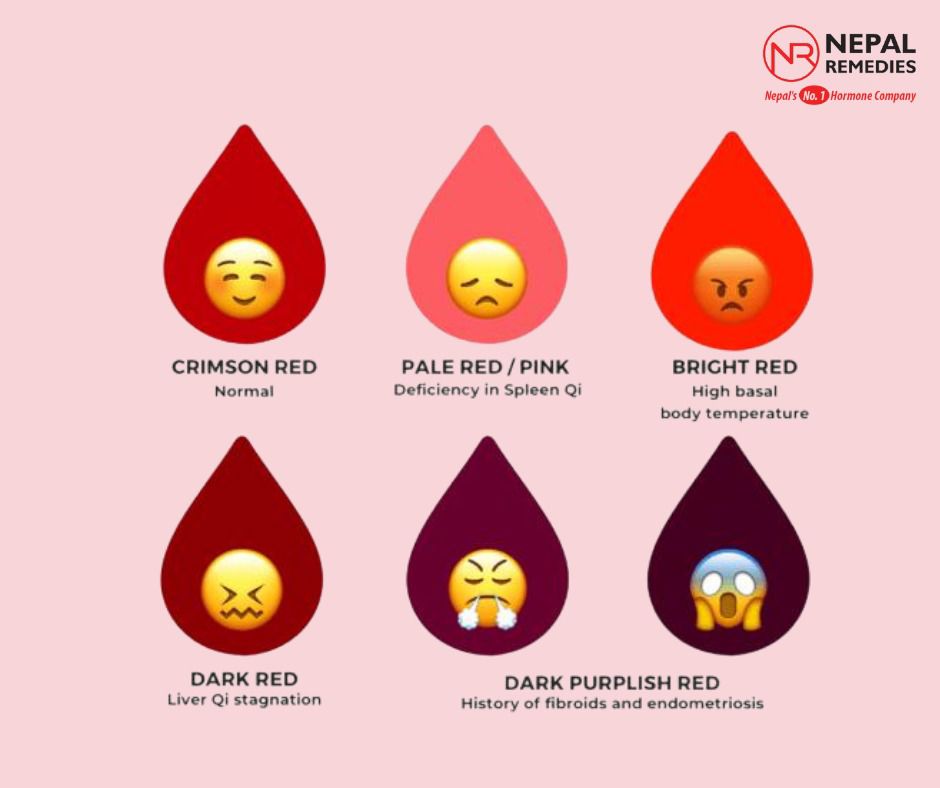
8. Menstrual Disorders
Includes:
• Dysmenorrhea: severe menstrual cramps
• Amenorrhea: absence of periods
• Menorrhagia: heavy bleeding
• Irregular cycles: unpredictable cycle lengths
• Oligomenorrhea: infrequent menstrual periods, typically defined as cycles longer than 35 days or fewer than nine periods in a year.
• Hypomenorrhea: abnormally light or short in duration (typically two days or less), but occurs at regular intervals.
• If your periods are light and also happen more frequently than every 21 days, this might be a sign of polymenorrhea.
These may indicate hormonal imbalances or other health conditions.
9. PMS (Premenstrual Syndrome) and PMDD (Premenstrual Dysphoric Disorder)
Hormonal changes before periods causing mood swings, bloating, headaches.
PMDD is a more severe form affecting emotional and mental health significantly. Premenstrual dysphoric disorder (PMDD) is a severe, sometimes disabling extension of premenstrual syndrome (PMS). Although PMS and PMDD both have physical and emotional symptoms, PMDD causes extreme mood shifts that can disrupt daily life and damage relationships. In both PMDD and PMS, symptoms usually begin seven to 10 days before your period starts and continue for the first few days of your period. Both PMDD and PMS may cause bloating, breast tenderness, fatigue, and changes in sleep and eating habits. In PMDD, however, at least one of these emotional and behavioral symptoms stands out:
• Sadness or hopelessness
• Anxiety or tension
• Extreme moodiness
• Marked irritability or anger
The cause of PMDD isn't clear. Underlying depression and anxiety are common in both PMS and PMDD, so it's possible that the hormonal changes that trigger a menstrual period worsen the symptoms of mood disorders.
10. Vaginal Infections
Common types:
• Yeast infections — itching, burning, thick discharge
• Bacterial Vaginosis (BV) — fishy odor, thin discharge
Caused by imbalance in vaginal bacteria.
11. Urinary Tract Infections (UTIs)
Infections in the bladder or urinary tract.
Symptoms: burning while urinating, frequent urge, pelvic pressure
12. Infertility Disorders
Due to ovulation problems, blocked tubes, endometriosis, or hormonal issues.
Signs: irregular cycles, difficulty conceiving over 12 months of trying.
13. Premature Ovarian Insufficiency (POI)
Ovaries stop functioning properly before age 40.
Signs: irregular periods, hot flashes, night sweats, fertility challenges.
14. Pelvic Floor Disorders
Weak pelvic muscles causing urinary leakage, pelvic heaviness, or discomfort.
More common after childbirth or aging.
15.Menopause & Perimenopause Disorders
Hormonal decline causing hot flashes, mood changes, irregular cycles, and sleep issues. Some women experience severe or early symptoms that require support.
How Women Can Maintain Reproductive Health
• Get annual gynecological checkups
• Track menstrual cycle changes
• Practice safe sex
• Maintain a healthy diet and weight
• Seek medical advice when symptoms feel unusual or persistent
Disclaimer: This article is for educational and informational purposes only and should not be used as a substitute for professional medical advice, diagnosis, or treatment. Reproductive health symptoms vary from person to person, and only a licensed healthcare provider can properly evaluate, diagnose, or treat medical conditions. If you experience persistent pain, irregular periods, unusual discharge, fertility concerns, or any symptoms mentioned in this article, seek medical attention promptly. Always consult a qualified healthcare professional before making decisions about your reproductive or hormonal health.
Innovating Healthcare, Transforming Futures:
Nepal Remedies, Your Partner in Hormonal and Steroids Excellence.