Understanding Premenstrual Syndrome (PMS): Symptoms, Causes, and Coping Strategies
February 11, 2026
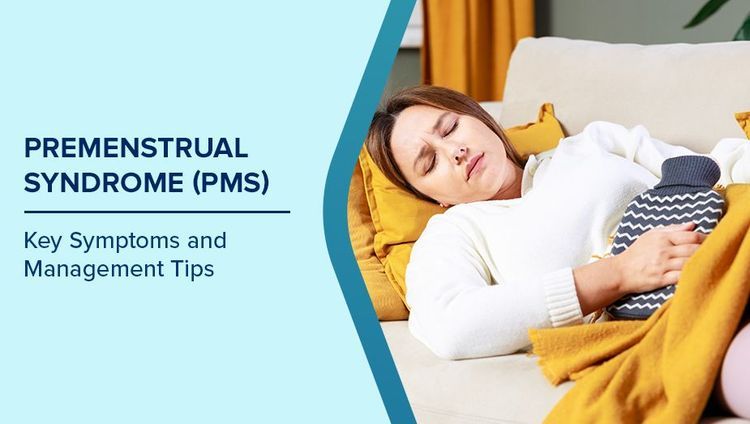
Every month, millions of women experience physical and emotional changes before their period. These changes are referred to as Premenstrual Syndrome (PMS). While PMS is a common part of the menstrual cycle, understanding it can help women manage symptoms more effectively.
What is Premenstrual Syndrome?
According to the American College of Obstetricians and Gynecologists (ACOG), PMS is a collection of physical, emotional, and behavioral symptoms that occur 1–2 weeks before menstruation and usually improve once bleeding begins.
Common Symptoms of PMS
Symptoms vary between women.
The National Health Service (NHS) lists the most common PMS symptoms as:
Physical Symptoms
• Bloating and water retention
• Breast tenderness
• Headaches or migraines
• Fatigue
• Muscle or joint aches
• Appetite changes and food cravings
Emotional and Behavioral Symptoms
• Mood swings, irritability, or anger
• Anxiety or tension
• Sadness
• Difficulty concentrating
• Sleep disturbances
Mild PMS symptoms are common, but if they interfere with daily life, professional advice should be sought.
What Causes PMS?
While the exact cause is not fully known, WHO report that several factors contribute to PMS:
1. Hormonal Fluctuations: Changes in estrogen and progesterone during the menstrual cycle affect brain chemicals that regulate mood and physical symptoms.
2. Neurotransmitter Changes: Low serotonin levels may contribute to mood swings and irritability.
3. Lifestyle Factors: Stress, inadequate sleep, sedentary lifestyle, or unhealthy diet may worsen PMS symptoms.
4. Underlying Health Conditions: Thyroid disorders, anemia, or mental health conditions can intensify symptoms.
Coping with PMS
Health authorities recommend a combination of lifestyle adjustments and medical support:
Lifestyle Modifications
• Regular physical activity
• Balanced diet with fruits, vegetables, and whole grains
• Limiting caffeine, salt, and sugar intake
• Maintaining adequate sleep
Stress Management
• Mindfulness, yoga, and meditation
• Counseling or mental health support
• Relaxation techniques and hobbies
Medical Support
• Over-the-counter pain relief for cramps or headaches
• Prescription medications for severe PMS or PMDD
• Consulting a gynecologist for personalized care
Severe PMS symptoms that disrupt daily functioning should always be evaluated by a healthcare professional.
Disclaimer: This article is intended for educational purposes only. It is not a substitute for professional medical advice, diagnosis, or treatment. Always seek advice from a qualified healthcare provider with any questions regarding your health or PMS symptoms.

Innovating Healthcare, Transforming Futures:
Nepal Remedies, Your Partner in Hormonal and Steroids Excellence.