
Common Digestive Issues Explained: Acidity, Gas, and Indigestion
February 01, 2026
Digestive problems like acidity, gas, and indigestion are extremely common and affect people of all ages. While these conditions are usually not serious, frequent digestive discomfort can interfere with daily life, eating habits, sleep, and overall well-being. The good news? Most digestive issues can be managed with simple lifestyle and dietary changes.
Let’s understand these common digestive problems, their causes, symptoms, and how to prevent them.
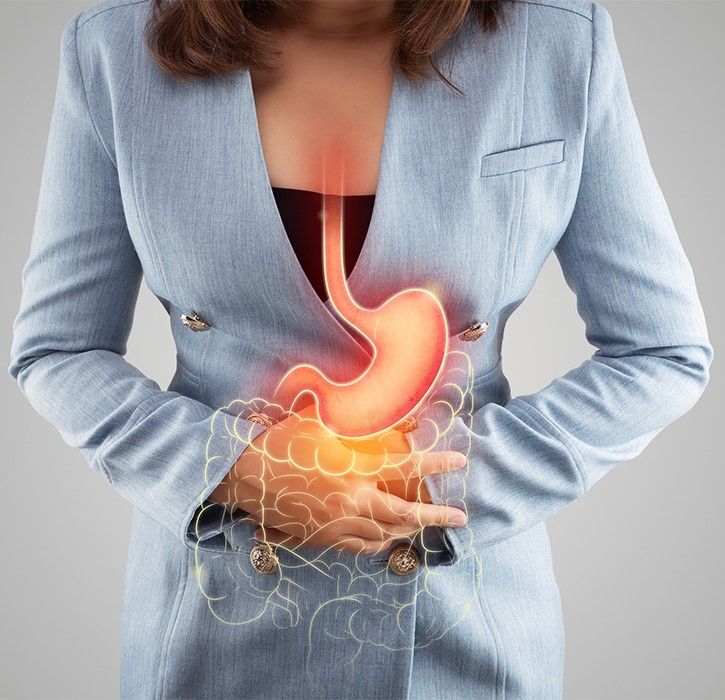
Digestive System Working Process
The digestive system plays a vital role in breaking down food into nutrients that fuel the body. However, factors such as unhealthy eating habits, stress, infections, irregular meal timings, and sedentary lifestyles can disrupt digestion.
When digestion is disturbed, people may experience:
• Burning sensation in the chest or stomach
• Bloating and gas
• Abdominal pain or heaviness
• Nausea or discomfort after meals
What is Acidity? (Heartburn & Acid Reflux)
Acidity occurs when the stomach produces excess acid or when acid flows back into the food pipe (esophagus), a condition known as acid reflux. If acidity happens frequently, it may be associated with Gastroesophageal Reflux Disease (GERD).
Common Symptoms of Acidity
• Burning sensation in the chest or upper abdomen (heartburn)
• Sour or bitter taste in the mouth
• Nausea or stomach irritation
• Feeling of heaviness after meals
Common Causes of Acidity
• Spicy, oily, or acidic foods
• Skipping meals or overeating
• Lying down immediately after eating
• Obesity
• Smoking and alcohol consumption
• Stress and anxiety
According to the NHS and NIH, occasional acidity is common, but persistent or severe symptoms should be evaluated by a healthcare professional.
Gas and Bloating: Why It Happens
Gas forms in the digestive tract when food is broken down by gut bacteria or when excess air is swallowed during eating or drinking.
Symptoms of Gas and Bloating
• Abdominal bloating or tightness
• Frequent burping
• Passing gas
• Mild abdominal discomfort
Common Causes of Excess Gas
• Eating too quickly or talking while eating
• Carbonated drinks
• High-fiber foods like beans and lentils
• Lactose intolerance
• Imbalance of gut bacteria
What Is Indigestion (Dyspepsia)?
Indigestion, also called dyspepsia, refers to discomfort or pain in the upper abdomen, usually occurring during or after meals.
Symptoms of Indigestion
• Upper abdominal pain or burning
• Feeling overly full after eating
• Bloating and nausea
• Excessive belching
Common Causes of Indigestion
• Overeating or consuming fatty foods
• Stress and anxiety
• Certain medications (e.g., pain relievers)
• Acid reflux or gastritis
• Helicobacter pylori infection
When to See a Doctor for Digestive Problems
You should consult a healthcare professional if digestive symptoms:
• Persist for more than a few weeks
• Become severe or worsen over time
• Are associated with unexplained weight loss
• Include vomiting, blood in stool, or difficulty swallowing
These may indicate a more serious digestive condition and require medical evaluation.
Disclaimer: This content is intended for educational purposes only and does not replace professional medical advice. Always consult a qualified healthcare professional for diagnosis and personalized treatment.

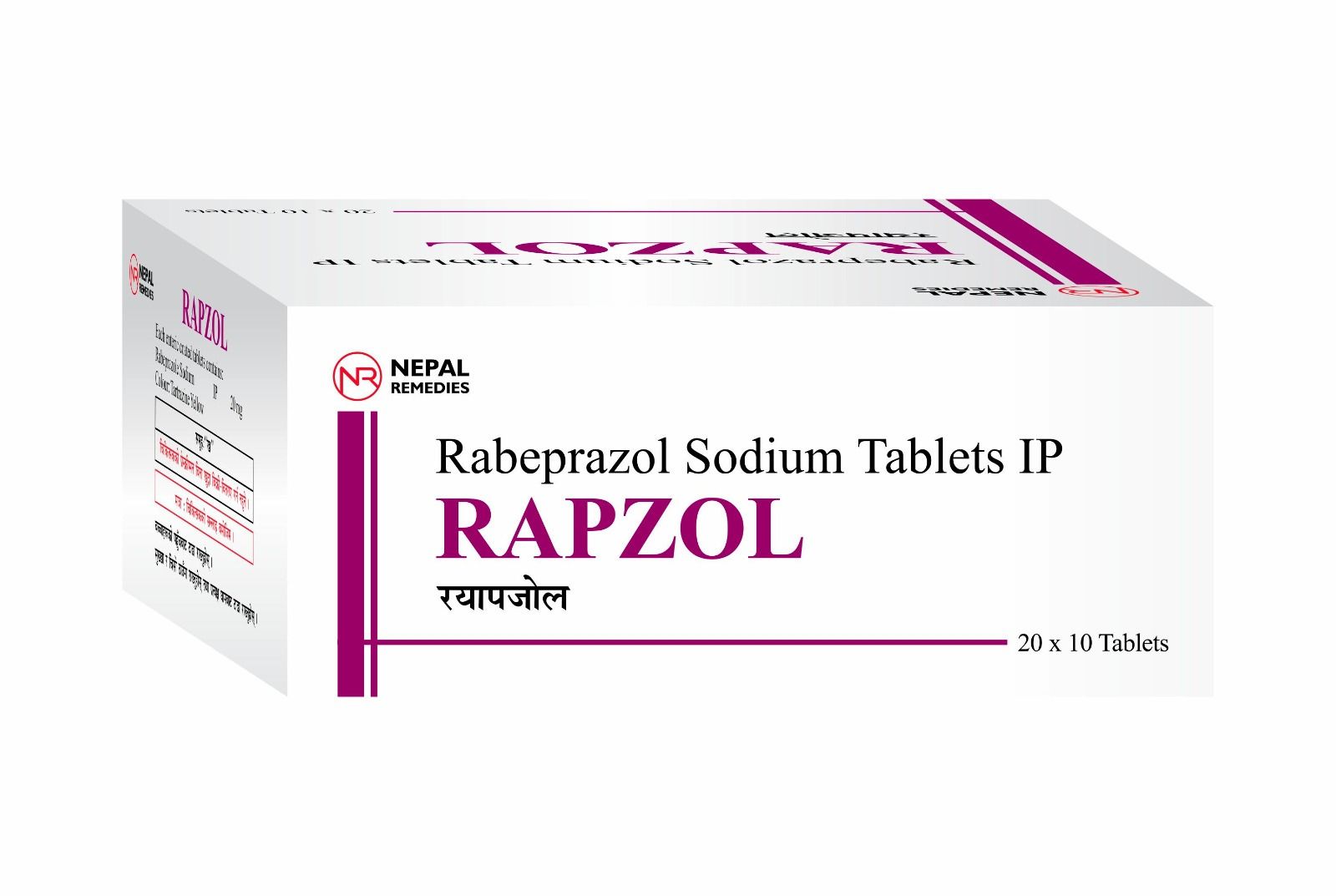
Innovating Healthcare, Transforming Futures:
Nepal Remedies, Your Partner in Hormonal and Steroids Excellence.